
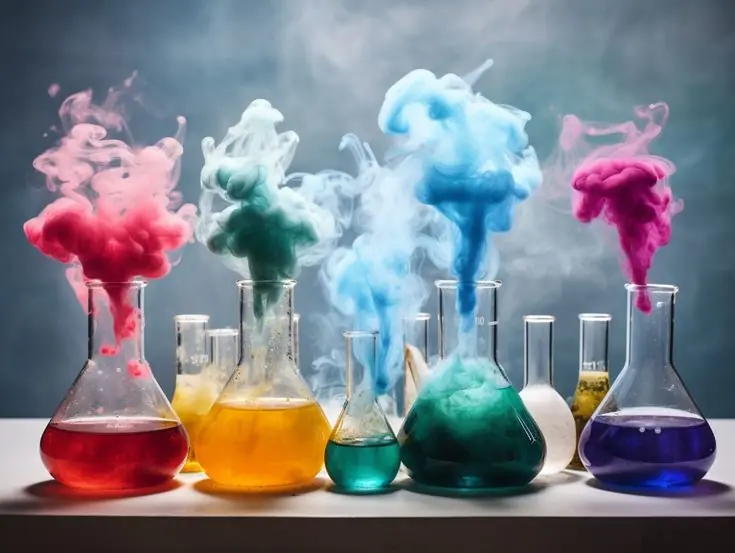
Keeping Your Equipment Safe: Preventing Harmful Chemical Reactions
Welcome back! If you’ve ever felt that nagging worry about your equipment breaking down out of the blue, and on how to keep your equipment safe, you’re not alone. This time, we’re diving into a vital topic that’s often overlooked but incredibly important: how to prevent chemical reactions that can damage your machinery and equipment. Whether you’re managing an industrial plant, running a lab, or simply curious about equipment longevity, there’s something here for you.
At first glance, chemical reactions might sound like a science class topic that’s far removed from everyday gear maintenance. But trust me, these invisible changes happen all the time and if not managed properly, they can turn a smooth-running system into a costly headache.
Understanding the Problem: Why Chemical Reactions Matter
Equipment isn’t just metal and plastic — it’s a complex assembly of materials that can react with substances in the environment or the process itself. Corrosion, oxidation, and other unwanted chemical processes gradually weaken parts, leading to failures or inefficient performance.
Take rusting, for example. It’s the classic chemical reaction that eats away at steel over time. But it’s not just about water and oxygen — many industrial fluids, gases, and cleaning agents can cause unexpected reactions if they come in contact with your equipment.
Prevention Tactics: What You Can Do
Preventing damaging chemical reactions comes down to a few key practices that blend science with practical care:
- Material selection: Choose equipment materials that resist the specific chemicals in your environment. Stainless steel, coated metals, and certain plastics are often good bets depending on your chemistry.
- Protective coatings and liners: Applying specialized coatings can shield sensitive surfaces from corrosive substances. Over time, maintaining these coatings is just as critical.
- Control the environment: Reducing moisture, controlling temperature, and limiting exposure to reactive gases can make a big difference. Think of it as creating a “friendly” environment for your equipment.
- Regular inspections and cleaning: Build a routine that checks for early signs of corrosion or reaction residues, then clean components with compatible solvents to keep everything in top shape.
- Proper storage: Even when equipment isn’t in use, how and where you store it matters. Dry, ventilated, and chemically neutral storage spaces prevent unintended reactions during downtime.
A Few Extra Tips to Keep in Mind in order to Keeping Your Equipment Safe
Sometimes it’s the small details that save the day. For instance, avoid mixing chemicals or residues that can catalyze damaging reactions. Train your staff or team to understand chemical compatibility and quick response to leaks or spills. And when in doubt, consulting with a chemist or materials expert can provide you with tailored strategies that suit your precise setup.
Proactive prevention is not just about adding years to your equipment’s life — it’s also about avoiding unexpected downtime, costly repairs, and even safety hazards. When you think about it, a little upfront care pays off big.
Wrapping Up on Keeping Your Equipment Safe
Thanks for sticking with me through this one! Chemical reactions might sound intimidating, but with the right insights and care, they’re manageable. I hope you feel more equipped to look at your equipment with fresh eyes and a new set of tools for prevention.
Next week, we’ll explore how emerging technologies are transforming equipment monitoring to catch issues even earlier — stay tuned! Until then, take good care of your machines, and they’ll take care of you.
As always, I love hearing your stories or questions, so don’t hesitate to reach out. Here’s to smooth running and long-lasting gear!
verified